
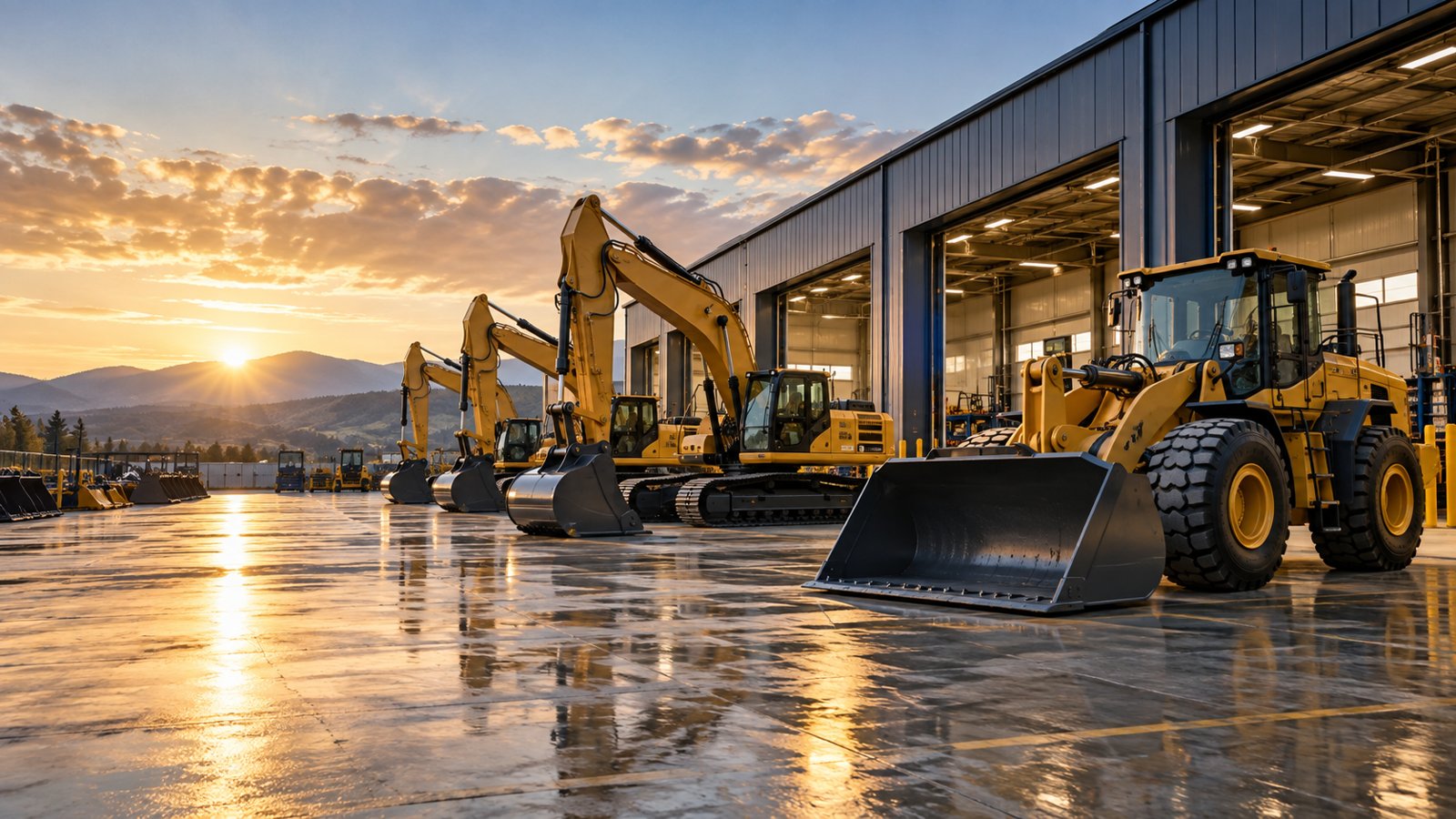
THE FINANCING QUESTION
When this becomes relevant.
Start with the business circumstance, rather than choosing a product in advance.
- A business is acquiring equipment to improve output, quality or capacity.
- Fleet or machinery replacement must be coordinated with cash-flow priorities.
- A company wants to evaluate liquidity from equipment it already owns.
- An acquisition includes equipment that may support a distinct financing component.
THE ASSESSMENT
What we examine.
These considerations shape the financing discussion and the information required for a meaningful review.
| Review area | What matters |
|---|---|
| Asset characteristics | Useful life, condition, location, ownership, valuation support and resale market. |
| Operating contribution | Installation, training, maintenance, deployment timetable and expected productive benefit. |
| Structure & cost | Lease or loan economics, deposits, residuals, purchase options, liens and total obligations. |
THE STRUCTURING PERSPECTIVE
A plan that fits the situation.
Equipment financing should fit both the asset’s economic life and the company’s ability to use it. We examine the installation and operating costs alongside the purchase price so that the financing request reflects the complete investment.
TRANSACTION READINESS
What to prepare.
Begin with a concise overview. Detailed and sensitive records follow through an agreed delivery method.
- Equipment quotations, specifications, invoices or a schedule of owned assets.
- Financial statements, existing equipment obligations and lien information.
- Deployment plans, installation costs and the business case for the equipment.
The document list is indicative. The agreed service role, lender requirements and transaction circumstances determine the final package.